Author: adminali@admin.admin

  • Regreso histórico a la Luna

    🚀 Regreso histórico a la Luna: la misión Artemis II llevará astronautas alrededor del satélite tras casi 50 añosDespués de casi medio siglo desde las últimas misiones lunares del programa Apollo, la exploración espacial humana está a punto de dar un nuevo paso histórico.

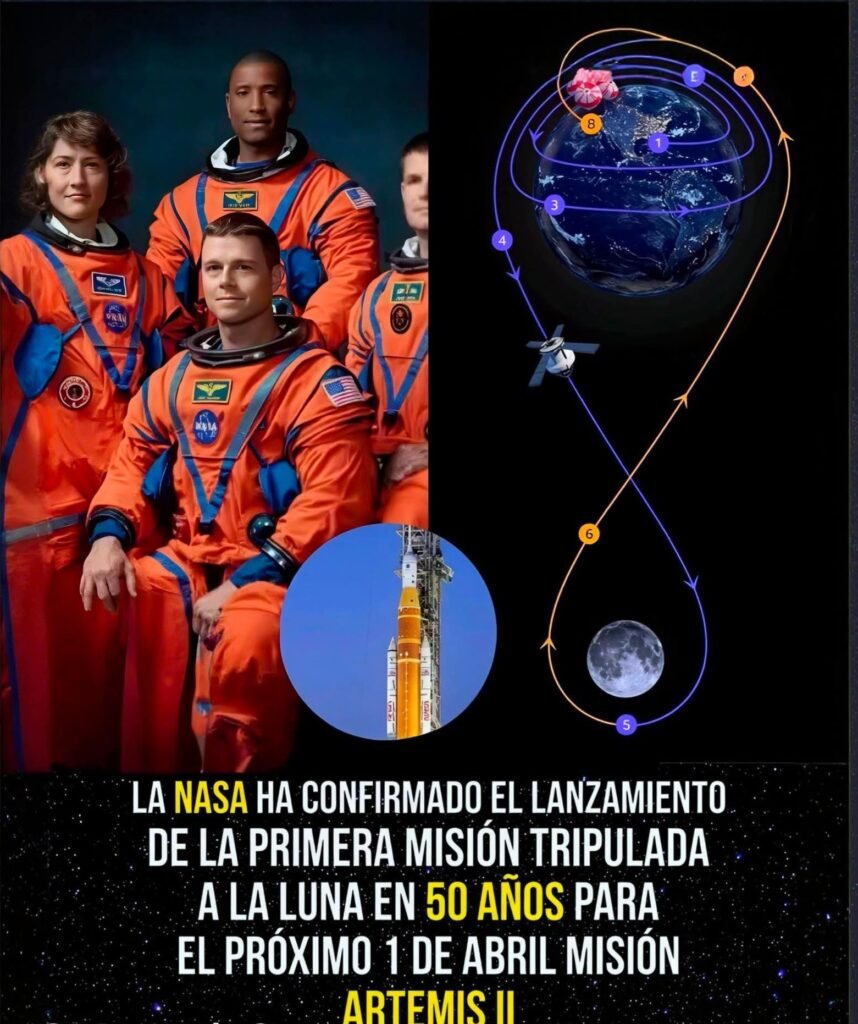
    La NASA ha confirmado los detalles de Artemis II, una misión tripulada que llevará astronautas alrededor de la Luna por primera vez desde 1972.

    Esta misión representa un momento clave en el ambicioso programa Artemis, cuyo objetivo es devolver a los humanos a la superficie lunar y preparar el camino para futuras misiones a

    Marte.## 👨‍🚀 La tripulación de Artemis IILa misión contará con un equipo internacional de cuatro astronautas altamente experimentados:👨‍🚀 Reid Wiseman👨‍🚀 Victor Glover👩‍🚀 Christina Koch👨‍🚀 Jeremy HansenEste grupo será el encargado de realizar un histórico viaje alrededor de nuestro satélite natural, marcando el regreso de misiones tripuladas al entorno lunar.##

    🚀 La nave y el poderoso coheteLa tripulación viajará a bordo de la nave espacial Orion, diseñada específicamente para transportar astronautas más allá de la órbita terrestre.

    El lanzamiento se realizará mediante el potente cohete Space Launch System (SLS), actualmente el cohete más poderoso desarrollado por la NASA para misiones de exploración profunda.## 🌕 Una misión de aproximadamente 10 díasDurante unos 10 días, la tripulación realizará un viaje alrededor de la Luna sin aterrizar en su superficie.

    El objetivo principal será probar todos los sistemas esenciales de la nave y del cohete con humanos a bordo.

    Entre las pruebas más importantes se incluyen:• Evaluación de los sistemas de soporte vital• Comprobación de los sistemas de navegación y comunicación• Pruebas de seguridad y rendimiento de la nave Orion• Validación de tecnologías necesarias para futuras misiones espacialesEstos datos serán fundamentales para garantizar la seguridad de futuras misiones que sí aterrizarán en la Luna.## 🌌 Un paso clave hacia el regreso humano a la LunaArtemis II forma parte de una estrategia más amplia dentro del programa Artemis.

    Las próximas misiones buscarán llevar astronautas nuevamente a la superficie lunar, incluyendo el aterrizaje de la primera mujer y la primera persona de color en la Luna.

    Además, la NASA planea utilizar la Luna como plataforma de entrenamiento y desarrollo tecnológico para objetivos aún más ambiciosos.## 🔴 El objetivo final: llegar a MarteMás allá de la exploración lunar, el sueño a largo plazo de la humanidad sigue siendo claro: enviar astronautas a Marte.Las tecnologías, experiencias y datos obtenidos durante las misiones Artemis serán esenciales para desarrollar futuras misiones tripuladas al planeta rojo, uno de los mayores desafíos de la exploración espacial.✨ Artemis II marcará el inicio de una nueva era en la exploración espacial humana, acercándonos nuevamente a la Luna y dando los primeros pasos hacia el objetivo final:explorar Marte.

  • Dormir durante décadas para viajar

    🧊 ¿Dormir durante décadas para viajar por el espacio? La ciencia empieza a dar los primeros pasosLos viajes espaciales extremadamente largos —como misiones a otros sistemas estelares— siempre han planteado un gran problema: el tiempo que tardaría una tripulación en llegar a su destino*.

    Pero un reciente avance científico ha abierto una posibilidad fascinante.Un grupo de investigadores de la Universidad Friedrich-Alexander de Erlangen-Núremberg logró recuperar actividad neuronal en tejido cerebral de ratón después de haber sido criopreservado a -196 °C.

    Para lograrlo utilizaron una técnica llamada Vitrificación, un método que evita que se formen cristales de hielo dentro de las células, algo que normalmente destruiría el tejido biológico.

    Después de descongelar el tejido del Hipocampo, los científicos observaron algo sorprendente:las neuronas conservaban su estructura y eran capaces de volver a transmitir señales eléctricas.

    Este tipo de descubrimientos podría tener implicaciones que van más allá de la medicina.

    En el futuro, tecnologías inspiradas en estos procesos podrían ayudar a desarrollar sistemas de hibernación o sueño profundo para astronautas, permitiendo que las tripulaciones reduzcan su actividad metabólica durante misiones espaciales muy largas, como viajes a Marte o incluso misiones mucho más lejanas.

    Reducir la actividad del cuerpo durante largos trayectos permitiría ahorrar recursos, disminuir los efectos de la microgravedad y hacer viables misiones que hoy parecen imposibles.

    Aunque todavía estamos muy lejos de aplicar este tipo de tecnología en humanos, el estudio demuestra algo importante:si la estructura del cerebro se conserva, la actividad neuronal puede recuperarse.

    La ciencia apenas está comenzando a explorar estas posibilidades… pero podrían cambiar para siempre tanto la medicina como la exploración del espacio profundo. 🚀❄️🧠

  • Señales extrañas desde el espacio

    🚨 Señales extrañas desde el espacio profundo: ¿qué está detectando la ciencia?En las regiones más lejanas del cosmos, donde la influencia del Sol casi desaparece, los científicos siguen recibiendo datos que mantienen vivo uno de los mayores misterios de la exploración espacial.Por un lado, la legendaria

    Voyager 1, lanzada hace más de cuatro décadas por la NASA, continúa enviando señales desde el espacio interestelar, a miles de millones de kilómetros de la Tierra.

    A pesar de su antigüedad y de haber superado con creces su vida útil prevista, la nave todavía transmite datos que permiten estudiar una región del espacio nunca antes explorada por instrumentos humanos.Al mismo tiempo, el potente Telescopio Espacial James Webb sigue observando el universo con una precisión sin precedentes.

    Sus instrumentos han detectado fenómenos cósmicos extremadamente lejanos, revelando detalles sobre galaxias antiguas, formación estelar y estructuras del universo que antes eran invisibles.

    En internet, algunas personas han relacionado estos hechos con teorías sobre “señales misteriosas” o patrones desconocidos, pero hasta ahora no existe evidencia científica que indique que se trate de algo fuera de lo normal o de origen desconocido.

    Lo que sí es cierto es que cada nueva señal que llega desde el espacio profundo amplía nuestro conocimiento del universo y nos recuerda lo poco que todavía sabemos sobre él.

    Entre sondas que viajan más allá del sistema solar y telescopios capaces de observar los primeros momentos del cosmos, la exploración espacial continúa revelando algo fascinante:el universo es mucho más complejo, vasto y sorprendente de lo que imaginábamos. 🌌

  • A mysterious creature was captured in the depths

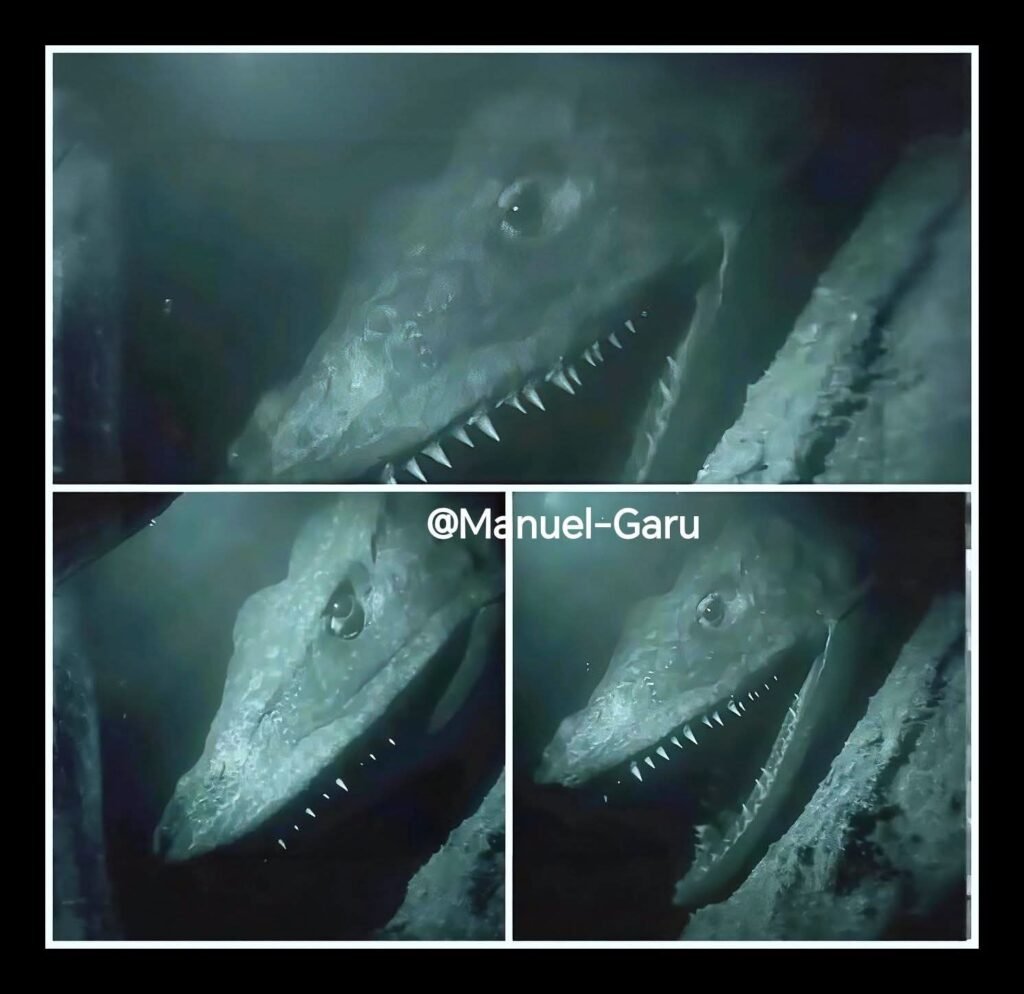
    🌊 A mysterious creature was captured in the depths of the Congo RiverDuring a scientific exploration in a remote area of the Congo River, a group of researchers installed underwater cameras to study the life that dwells in its deep waters.

    What they recorded in one of those recordings ended up surprising everyone.In the middle of the darkness of the river, a figure began to slowly approach the camera.

    As the silhouette became more visible, researchers noticed something unsettling: the shape of his head and the presence of sharp teeth that seemed to stand out in the image.

    Facing the strange scene, the scientists decided to stop the recording and analyze the material in more detail.So far, there is no definitive identification of what type of creature appears in the video.

    Some experts believe it could be an understudied or rare species living deep in the river, an ecosystem where many forms of life still exist that we barely know.

    Others, on the other hand, think it could be a very old animal or a rarely seen species.

    The Congo River is one of the deepest and most mysterious on the planet, and its dark waters still hide countless biological secrets.

    Perhaps what appeared in front of that camera is just an unidentified creature…or perhaps one of the many species still waiting to be discovered. 🐟🌑

  • Chichen Itza in 1895

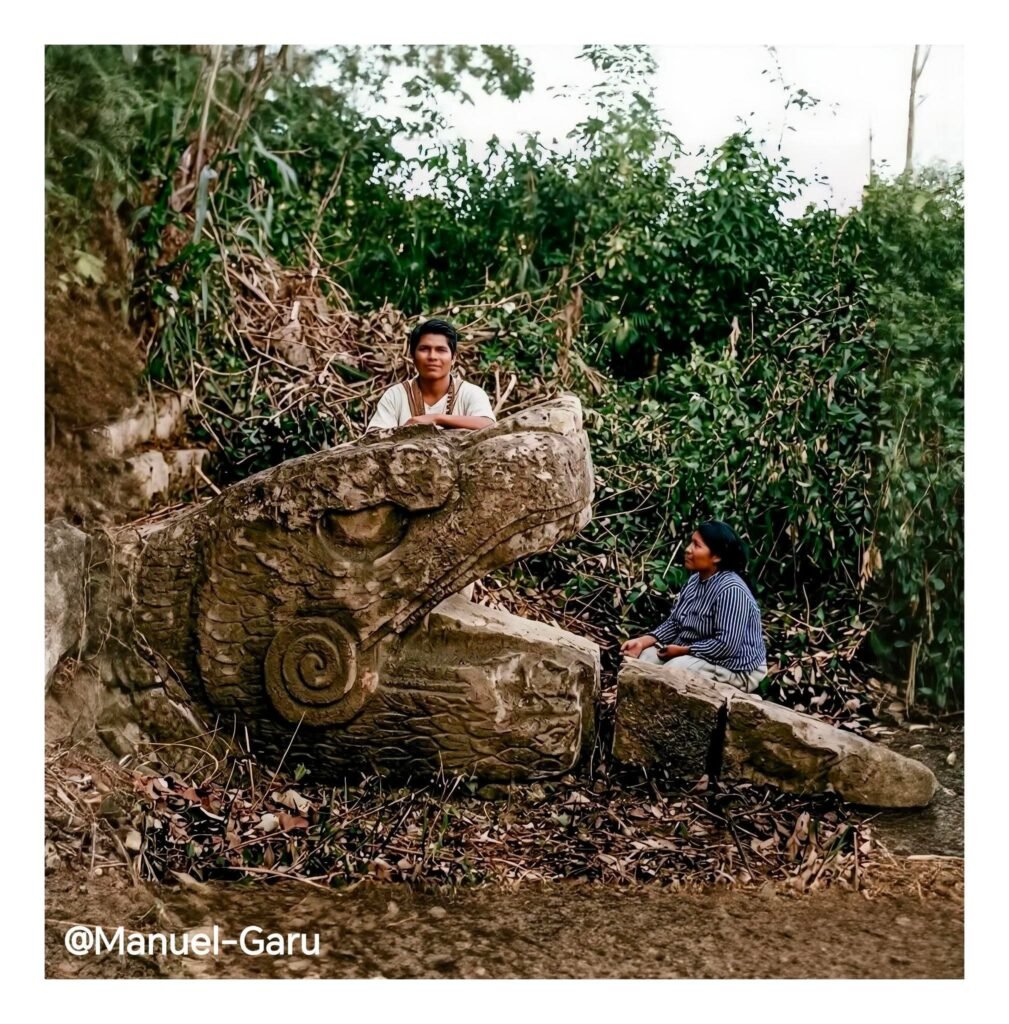
    Chichen Itza in 1895: a look back at the past before the great excavationsThis historical photograph shows two people next to the famous snake head in Chichen Itzá.

    The image was taken around 1895, when much of the site was still covered by vegetation and without the restoration work we know today.

    In the scene you can see the impressive head of Kukulcan, located at the foot of the temple known as The Castle.It’s important to mention that the photograph currently circulating was digitally restored. Over time, many old images deteriorate, lose sharpness or present damage.

    Thanks to modern digital restoration techniques, it is possible to improve image quality and recover details that had been lost.

    Therefore, although the photo was taken in the late 19th century, the version we see today has been digitally enhanced, allowing us to appreciate more clearly what this archaeological site looked like when it was still partially hidden by nature.

    An image that connects us directly to the moment when many of the great treasures of the Mayan world were just beginning to be rediscovered. 🌿

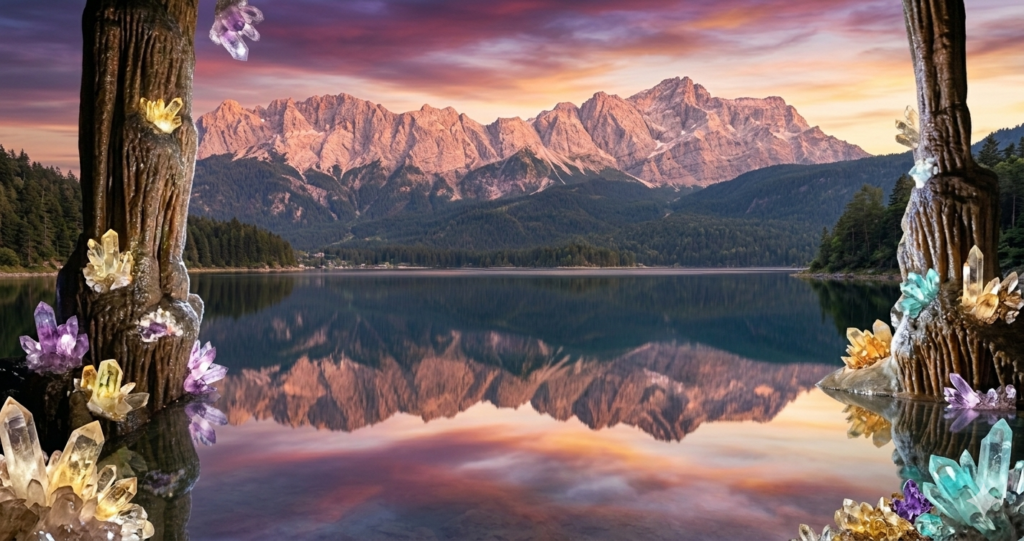
  • The Calm Lake That Looks Like a Perfect Mirror 🌅

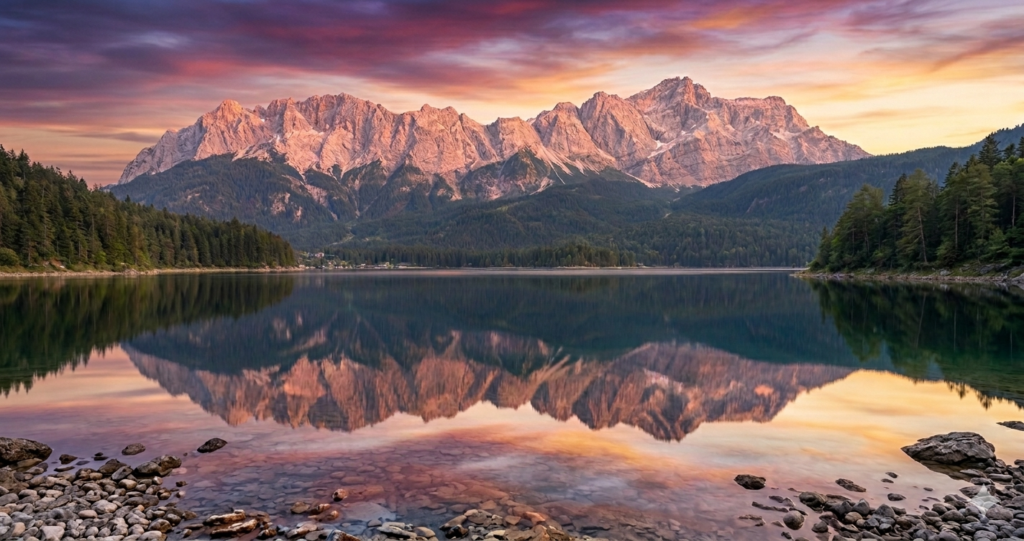
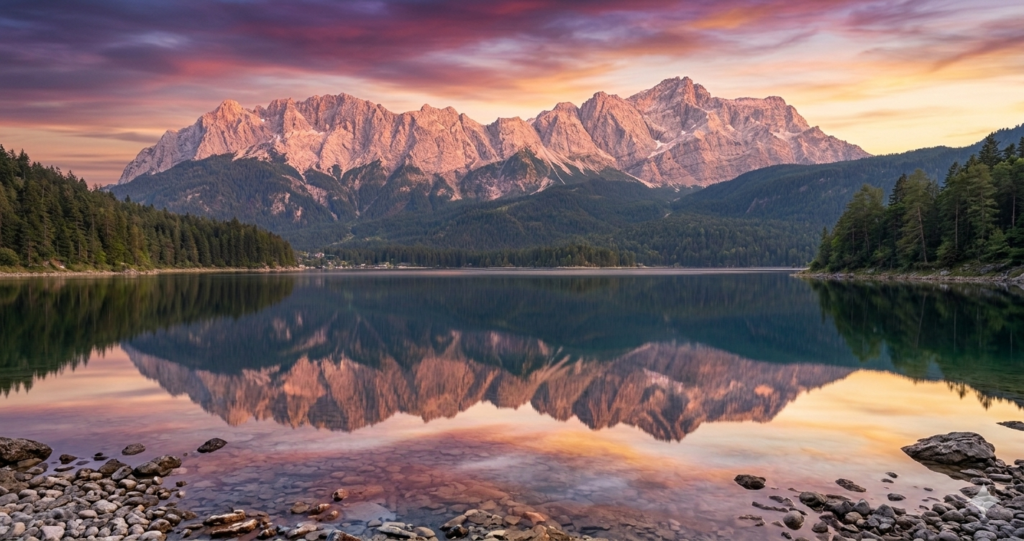
    Early one morning, visitors at a remote lake witnessed an incredibly peaceful sight. The water was so calm that the entire sky reflected perfectly on the surface.

    Mountains, clouds, and trees appeared like a giant mirror, creating a breathtaking view. Many photographers rushed to capture the rare moment.

    Scenes like this remind us that sometimes the most beautiful moments in nature happen quietly and unexpectedly.

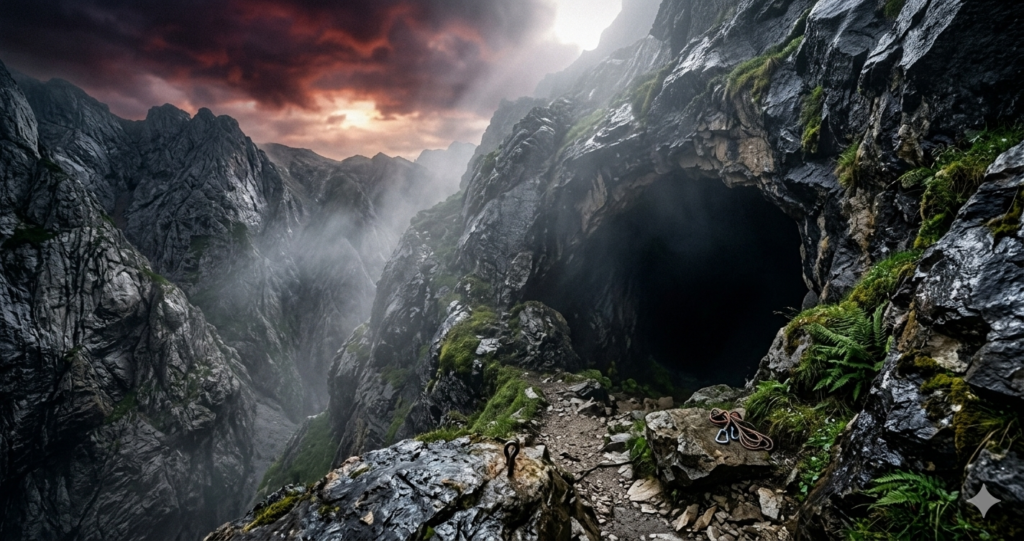
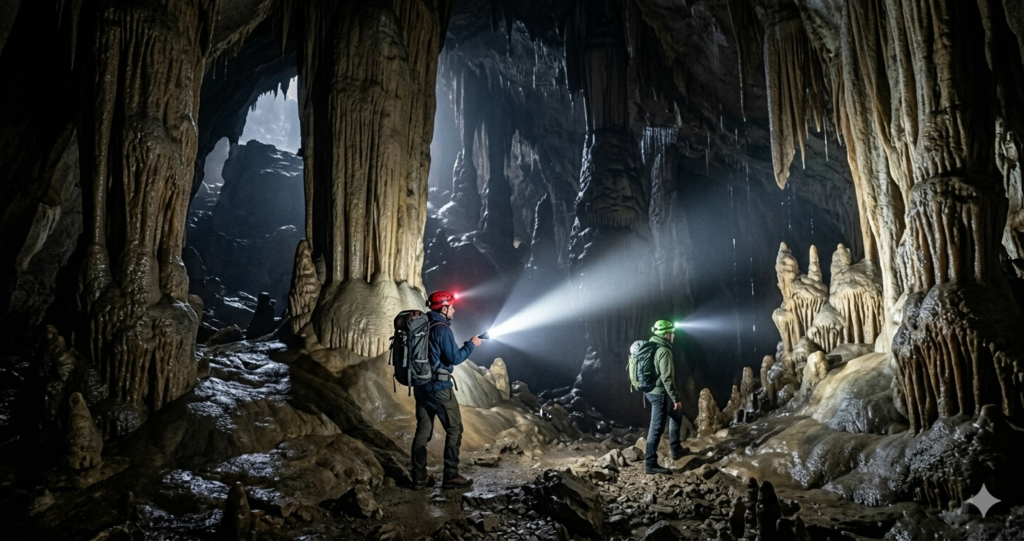
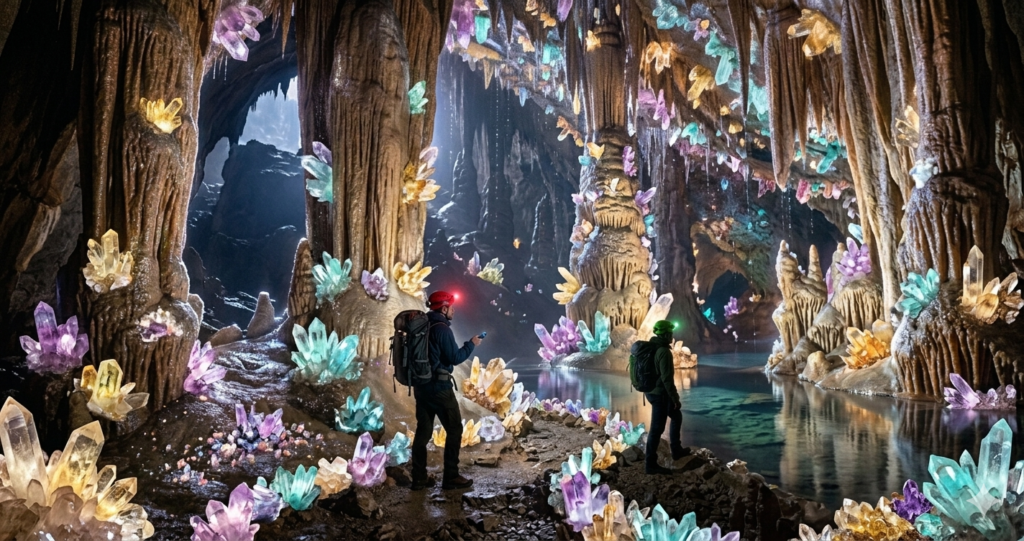
  • This Mysterious Cave Discovery Surprised Explorers 😱

    A group of explorers recently entered what they believed was a small cave hidden inside a rocky mountain. What they discovered inside turned out to be far more impressive than they expected.

    As they moved deeper into the cave, they found massive rock formations and crystal structures reflecting their flashlights in incredible ways. Some sections looked almost like a natural underground palace.

    Discoveries like this show that our planet still holds many secrets waiting to be uncovered by curious explorers.

  • A Strange Cloud Formation That Left Everyone Speechless ☁️😲

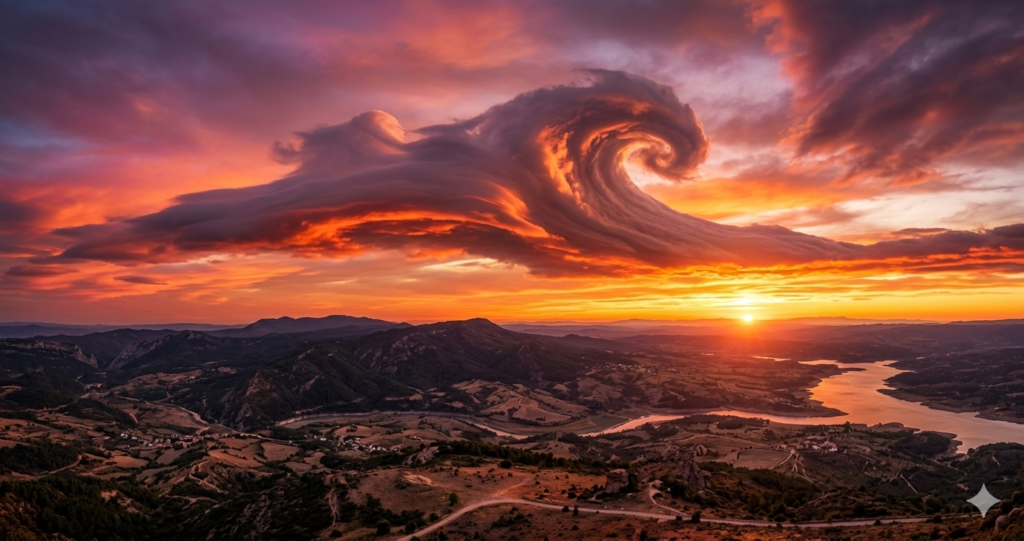
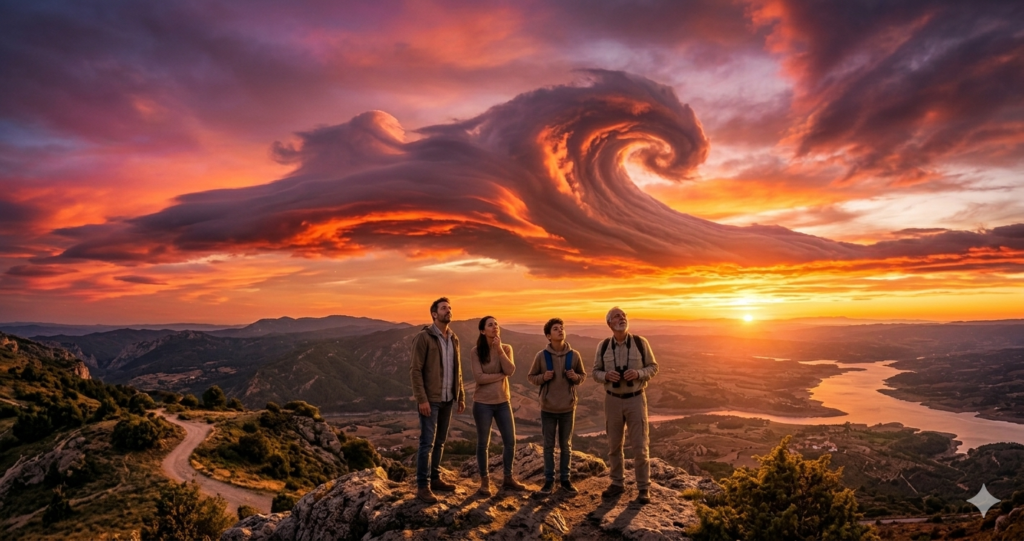
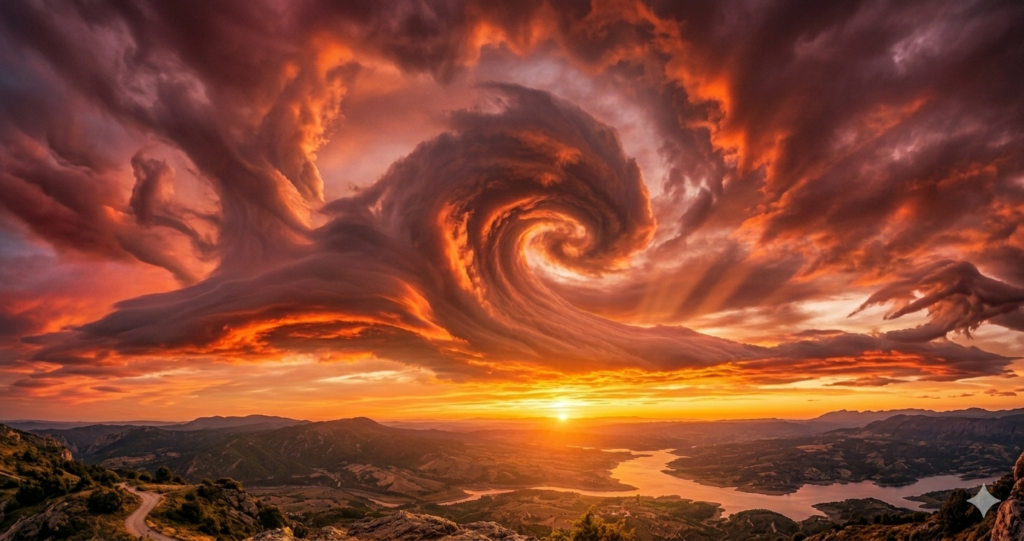
    People in a small town recently witnessed a cloud formation unlike anything they had ever seen before. At first, it looked like an ordinary cloudy afternoon, but within minutes the sky started forming unusual shapes.

    Many residents stopped to take photos as the clouds slowly formed patterns that looked almost like giant waves in the sky. Some even described it as a natural painting created by the wind.

    Moments like this remind us how beautiful and unpredictable nature can be. The sky often hides incredible sights, but only those who look up at the right moment get to experience them.

  • The Strangest Animal Encounter You’ll Ever See 🐾😲

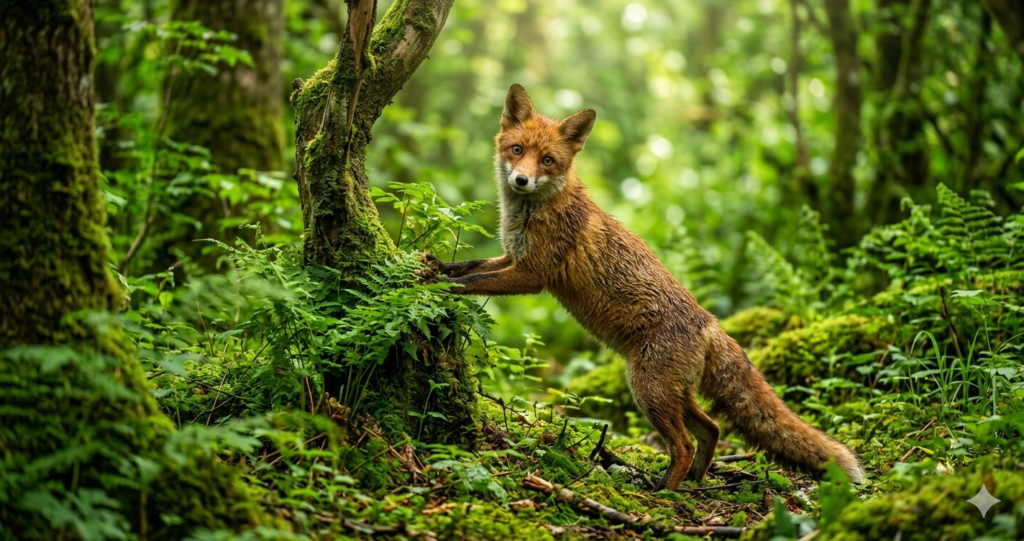
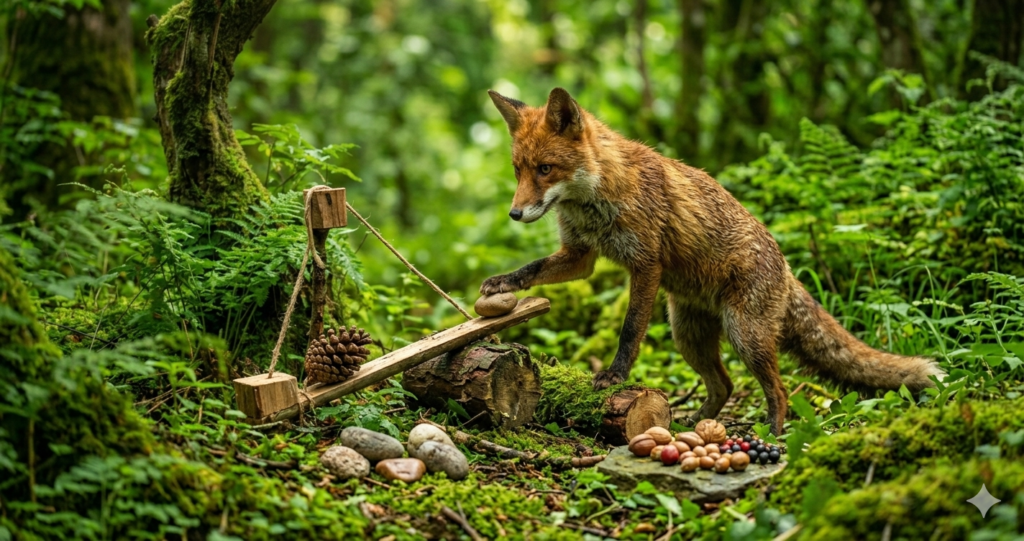
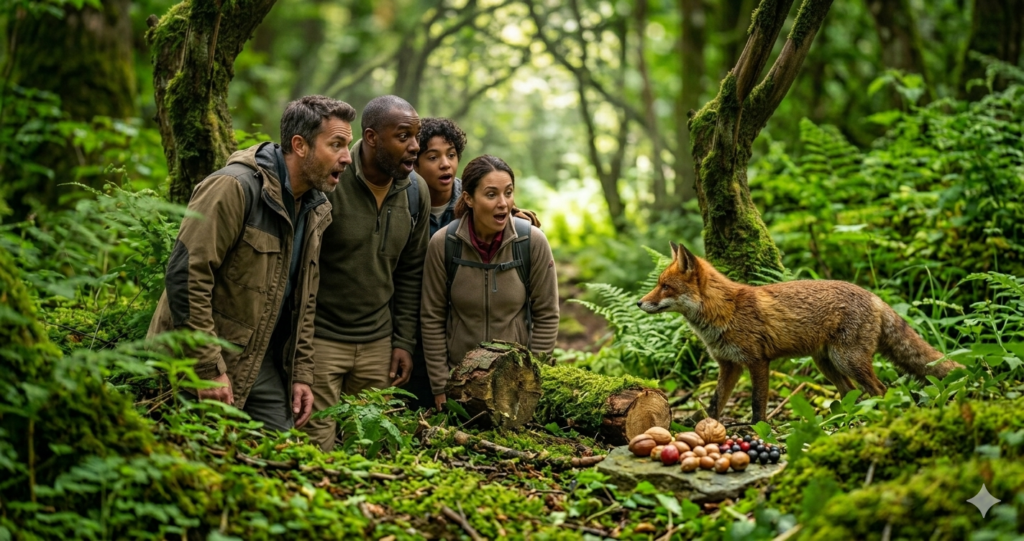
    During a nature hike in a remote forest, a group of friends stumbled upon an animal behaving in a way they had never seen before. At first, it seemed ordinary, but soon the encounter became truly bizarre.

    The animal displayed clever problem-solving skills, interacting with objects around it in a fascinating way. Everyone watching was completely mesmerized by its unexpected behavior.

    Moments like these remind us that the animal world is full of surprises. Even creatures we think we know can amaze us with intelligence and curiosity.

    This encounter left everyone in awe and eager to explore more, proving that sometimes the most extraordinary experiences happen when we least expect them.

  • Nobody Expected This Hidden Waterfall in the Jungle 🌲😱

    Hidden Waterfall Revealed in Remote Jungle

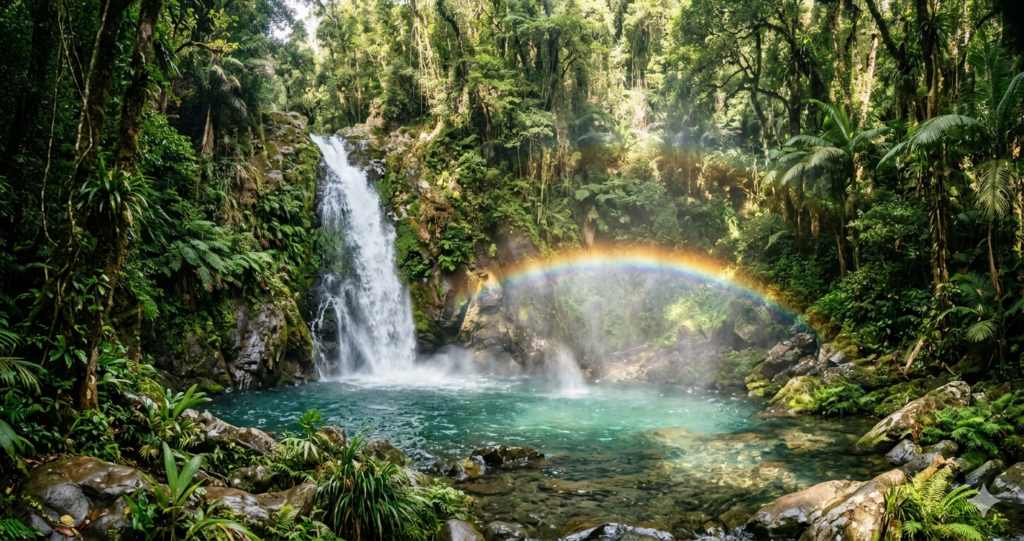
    Nestled deep within an untouched, concealed waterfall has recently captured attention of explorers and nature enthusiasts alike. This pristine cascade, hidden from the usual paths, offers a breathtaking spectacle of water by lush greenery untouched wilderness.

    journey to this secluded site requires careful through foliage and rugged, making it a rewarding adventure for those seeking solitude and natural beauty. As sunlight filters through the canopy, illuminating the waters, visitors greeted with an-inspiring view that seems almost otherworldly.

    This discovery underscores the importance of preserving pristine, which remain largely uniled by human. The waterfall not only provides a visual experience but also serves as a vital habitat for diverse flora and endemic to this remote region.

    For explorers and conservationists alike, this hidden gem exemplifies the wonders that liecovered our most corners Its unveiling invites renewed for’s untouched splendor and ongoing efforts needed protect fragile ecosystems.